Blog
AI Content Engines Are Rewriting Combat Sports Media
 Pulse Editor9/29/20265 min read
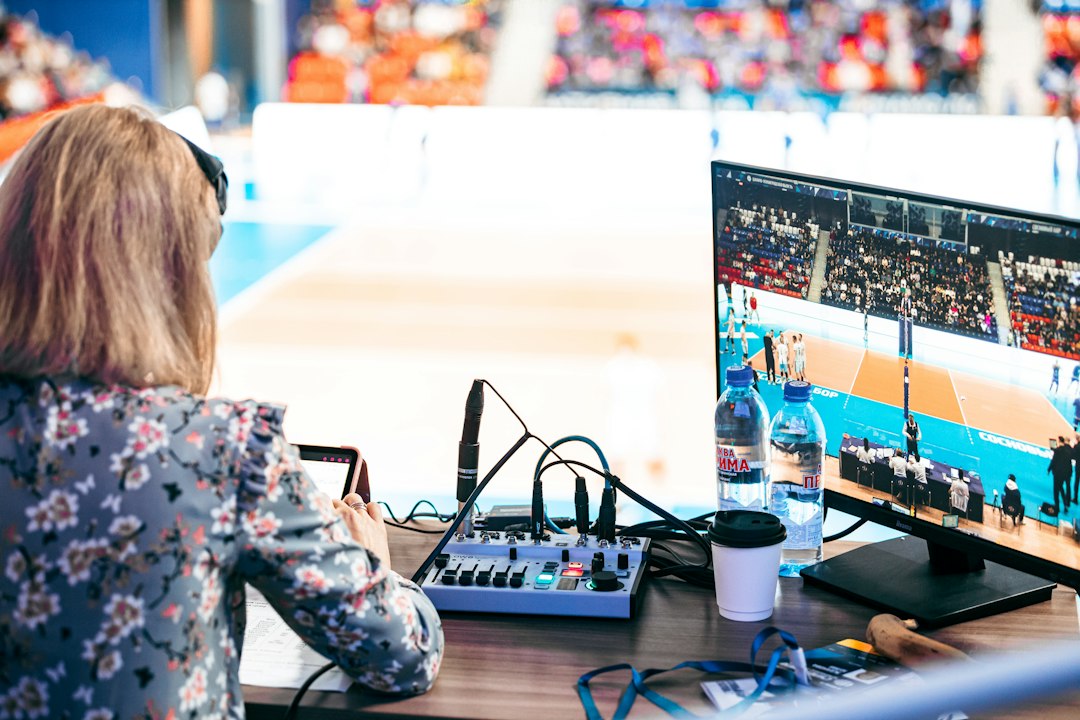
A promoter friend of ours spent three days last year cutting highlight clips from a single card. Three days, for content that was stale by the time it went live. That's the problem most combat sports organizations run into: the sport moves fast, but the content pipeline doesn't.
Fight promotions, gyms, and independent fighters all sit on huge amounts of raw material: fight footage, stats, interviews, training data. Most of it never becomes anything. It sits on a hard drive while a marketing team scrambles to post something, anything, before the next event.
An AI content engine changes that math. It takes the raw data a combat sports org already generates (strike counts, takedown attempts, fighter records, crowd reaction) and turns it into publish-ready content across platforms, on a timeline that matches how fast the sport actually moves.
What an AI Content Engine Actually Does
Strip away the buzzwords and it's a pipeline: data goes in, structured content comes out. For combat sports, that means fight stats, historical matchups, and performance metrics feeding a system that drafts recaps, social posts, and analysis pieces without a writer starting from a blank page every time.
Combat sports has its own language: significant strikes, control time, takedown defense percentage. A content engine built for the sport understands those metrics well enough to write about them accurately, not just plug numbers into a template.
The UFC's own performance data, tracked through systems like UFC Stats, shows how much granular information gets captured per fight (strike location, grappling exchanges, round-by-round output). Most of that data never reaches fans in a story format. It stays locked in spreadsheets. That's a content opportunity most orgs are leaving on the table.
Why Speed and Data Matter More Than Ever
Fans expect a breakdown within minutes of a fight ending, not a reaction two days later when the conversation has moved on. Social platforms reward the first credible take, and combat sports fans are unusually stats-literate; they'll notice if your numbers are wrong or your take is generic.
Research from the Pew Research Center on social media news consumption backs this up: audiences increasingly expect real-time, platform-native content rather than waiting for a traditional article. Combat sports fandom, built around live events and instant reaction, is a near-perfect test case for that shift.
An AI content engine doesn't replace the analyst who knows the sport. It gives that analyst a head start: a draft recap built from fight data the second the final bell rings, ready for a human to shape, cut, and publish across formats.
Where This Plays Out in Practice
Picture a regional promotion running six cards a year. Their team is small: one person doing marketing, stats, and social, often all in the same afternoon. An AI content engine pulls fight data (round scores, finish method, strike volume) and generates a first-draft recap, three social captions, and a stat graphic outline within minutes of the fight ending.
A fighter's management team faces a different problem: building a personal brand between fights, when there's no event to cover. Here, the engine works off training data and past performance metrics to generate content angles: a breakdown of striking accuracy trends across a fighter's last five bouts, for instance, turned into a short-form video script and a longer written piece for a website.
Media outlets covering multiple organizations use the same core idea at scale: standardized data inputs across promotions, turned into consistent, comparable content output. That consistency is hard to get when every writer works from a different template or memory of what happened.
Best Practices for Getting This Right
Start with clean data. An engine is only as good as the fight stats and metrics feeding it, and combat sports data is often messy: inconsistent naming, missing rounds, unofficial scorecards mixed with official ones. Fix the input before expecting good output.
Keep a human in the loop for tone and accuracy. AI-drafted content needs a real editor checking fighter names, records, and context before it goes live (a wrong stat about a headliner spreads fast in this fan base, and it's hard to walk back).
Match format to platform, not the other way around. A stat-heavy format works on a website. The same information needs to become a punchy caption for social and a different structure entirely for video. One data set, several outputs: that's the actual efficiency gain, not just faster writing.
Build a content calendar around the data you already have, not just fight nights. Training camps, weigh-ins, and post-fight interviews all generate material an engine can turn into content between events, when engagement usually drops off.
Next Steps for Your Content Strategy
The organizations getting real value from this aren't chasing every AI tool that launches. They're picking one system, feeding it clean fight and performance data, and building a repeatable process around it: draft, edit, publish, measure.
Start small. Pick one recurring content type (fight night recaps are the easiest place to start) and test an AI-assisted workflow against your current process for a full event cycle. Compare turnaround time and engagement, then decide what to expand.
Combat sports content doesn't have to be a scramble after every card. With the right engine turning fight data into structured, platform-ready content, it becomes a process your team can run every single time, not just when someone has three days to spare.